Scottish Fold
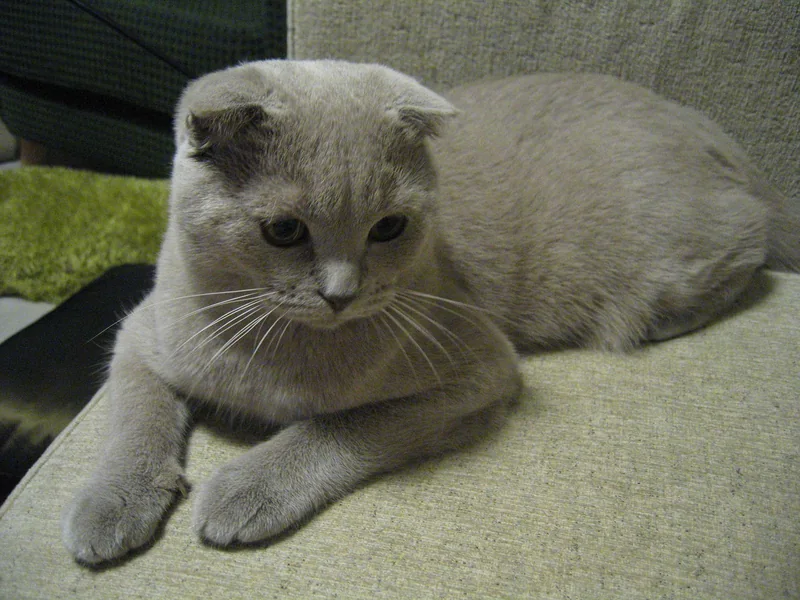
The Scottish Fold is associated with folded ears, rounded features and both short and long coats. Many are gentle companions who enjoy company and moderate play. The fold reflects a cartilage-related inherited trait, so appearance should not be separated from the individual animal's welfare and mobility.
Living with this breed
The Scottish Fold is associated with folded ears, rounded features and both short and long coats. Many are gentle companions who enjoy company and moderate play. The fold reflects a cartilage-related inherited trait, so appearance should not be separated from the individual animal's welfare and mobility.
Appearance and background
Scottish Fold is listed in the medium size group and has a short- or long-haired coat type. Its recorded place of origin is United Kingdom. Adult size and appearance can vary within a breed; consider the individual cat when choosing equipment, a carrier and resting spaces.
Activity and companionship
A lower activity tendency may suit a calmer routine. Offer daily interactive play, scratching surfaces and places to watch the surroundings, even when a cat prefers shorter play sessions.
Social preferences vary between cats. Let the cat choose when to approach, provide quiet retreat spaces and use gradual introductions to family members and other pets.
Coat care and practical planning
Ask a veterinarian about the cat's joint comfort, movement and ongoing care before adoption. Choose accessible furnishings and do not interpret a quiet or inactive cat as comfortable without assessment.
The recorded grooming demand is moderate. Set aside regular time for coat checks and appropriate brushing, adjusting the routine to the individual coat and season.
Before choosing this cat
Use the comparison table to weigh the traits that matter to your household. Meet the individual cat, review its health and social history, and budget for ongoing care. The scores describe general tendencies rather than promises about behaviour or health.
Personality and care
A quick guide to the breed’s general tendencies.
Higher grooming means more maintenance; higher vocality means a more talkative tendency. These are descriptive scores, not promises about an individual cat.
The conversation0
No replies yet. A thoughtful first reply can start something good.